





























Lightning Safety Awareness Week is June 21-27
Article Presented By Kingston National Bank…
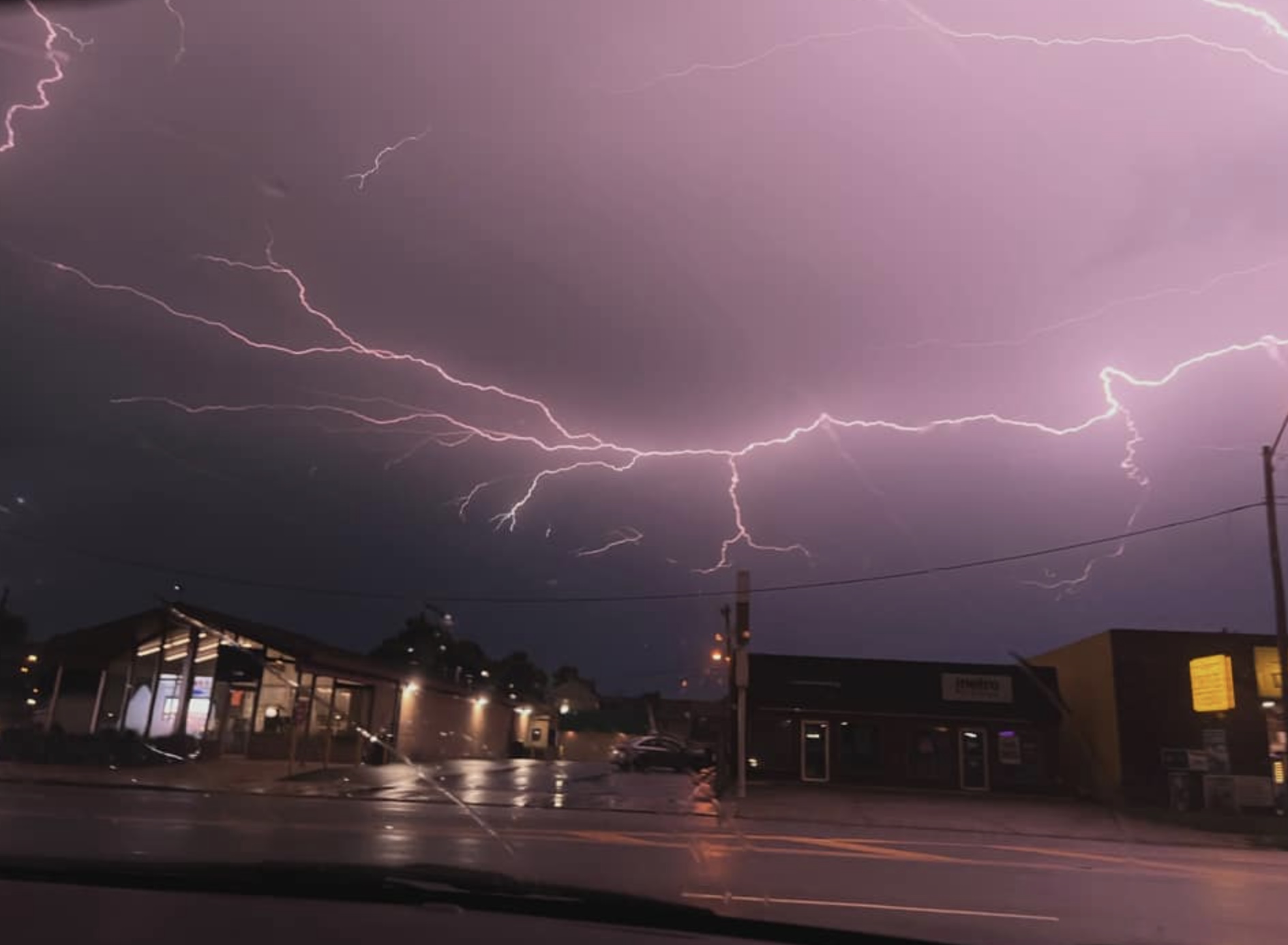
COLUMBUS, OH – The Ohio Emergency Management Agency (Ohio EMA), National Weather Service (NWS), and the Ohio Committee for Severe Weather Awareness (OCSWA) are promoting Lightning Safety Awareness Week which runs June 21-27.
Lighting is a leading cause of weather-related injuries and deaths in the United States. Each year, about 25 million lightning flashes occur, causing around 30 fatalities and many long-term injuries.
“Lightning can be fascinating to watch, but can kill in an instant,” said Ohio EMA Executive Director Sima Merick. “In 2025, an Ohio resident was struck and killed by lightning while playing soccer. Be aware of your surroundings and go indoors when severe weather is approaching.”
Ohio EMA, the NWS, and OCSWA urge Ohioans to stay alert, have an emergency plan, and practice severe weather safety.
- Understand your area’s lightning risk—storms occur year-round, day or night.
- Know the difference between a Thunderstorm Watch (Be Prepared) and a Thunderstorm Warning (Take Action!)
- “When thunder roars, go indoors!” Stop outdoor activities and seek a safe, enclosed shelter immediately.
- Suspend outdoor activities for at least 30 minutes after hearing the last clap of thunder.
- If shelter from the storm is not available, crouch down low, with as little of your body touching the ground as possible. Lightning can cause electric currents along the top of the ground that can be deadly up to, and exceeding, 100 feet away.
- Know your area’s risk for lightning. Spring and summer are typical seasons for thunderstorms, though they can occur year-round and at any hour.
- Sign up for local emergency alerts or use a trusted weather app.
- Consider installing surge protectors or lightning protection systems for your home.
- If a thunderstorm warning has been issued for your area or you hear thunder, go inside immediately.
- Get out and away from bodies of water. If boating, fishing, or swimming, get to land and find a sturdy, grounded shelter or vehicle immediately.
- If indoors, avoid running water or using landline phones. Electricity can travel through plumbing and telephone lines.
- Protect your property. Unplug appliances and other electric devices.
- Watch for fallen power lines or broken tree limbs. Report hazards immediately.
- If power outages occur, report them to your utility provider. Don’t wait for a neighbor to report the outage.
- If using alternate power sources like a generator, always follow the manufacturer’s directions.
For more information on lightning safety, click HERE to visit the OCSWA website. Follow along and follow OCSWA on X and Facebook.
See below for the Lightning Safety Awareness Week themes designated by the National Lightning Safety Council:
Sunday: An Introduction to Lightning Safety
Monday: The Science of Lightning and Thunder
Tuesday: Lightning Safety Outdoors
Wednesday: Lightning Safety Indoors
Thursday: Lightning Safety and Sports Activities
Friday: Medical Effects on Lightning Victims
Saturday: Protecting Your Home from Lightning